Where Your Money Goes
Your donation is an investment in the health and well-being of kids in our community and the advancement of care for children across Alberta and around the world. Our partners at the Alberta Children’s Hospital, the University of Calgary and child-serving agencies in the community identify initiatives that are the most urgent and best positioned to create change for children and families.
Where Your Money Goes
Community donations are invested in Patient and Family Centred Care, Advancing Child Health, Education and Training and Research. Here is a snapshot of your generosity and impact over the last three years.

| Funding Allocation | 2020/21 | 2021/22 | 2022/23 |
|---|---|---|---|
| Patient and Family Centred Care | $2,514,000 | $2,686,000 | $2,958,000 |
| Clinical Child Health Funding | $7,329,000 | $13,731,000 | $21,684,000 |
| Education and Training | $1,070,000 | $816,000 | $1,963,000 |
| Research | $11,116,000 | $16,269,000 | $18,777,000 |
Patient and Family Centred Care
Community support helps to ensure that, in addition to providing the best treatments possible for patients’ injuries and illnesses, experts at the Alberta Children’s Hospital have the resources to care for kids’ and families’ spirits as well. Donations to the Foundation ensure that specially designed programming and supports are available for young patients and their families during their hospital journey. Here are just a few examples of how community support impacts Patient and Family Centred Care at the Alberta Children’s Hospital:
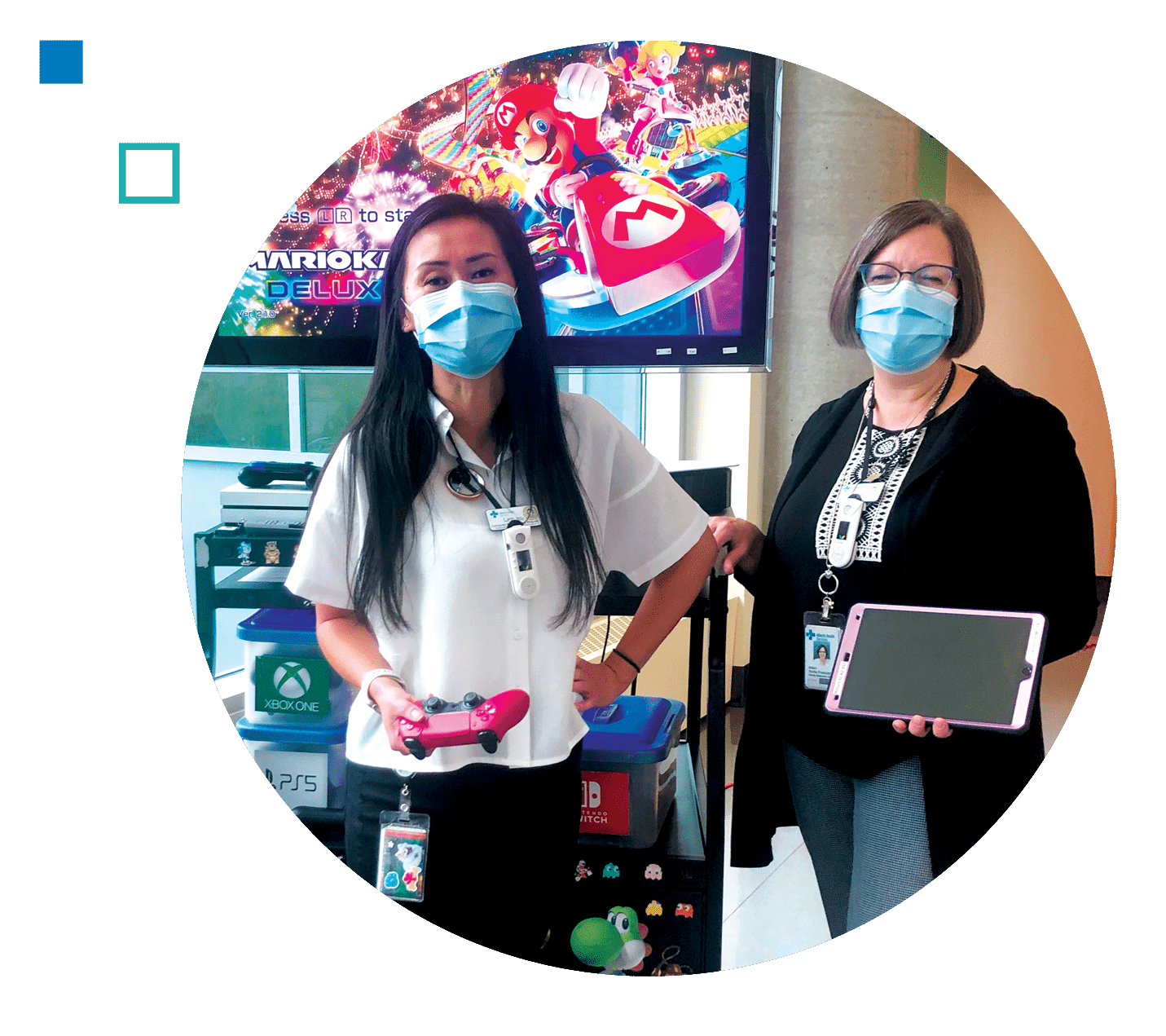
When a family learns of a child’s diagnosis, the first place they may turn to is Google. Suddenly they are faced with endless amounts of information that can be difficult to navigate. Thankfully, because of generous donor support, the Family and Community Resource Centre (FCRC) is a hub that offers credible information and resources to help families adjust to their new reality and learn about their child’s condition. In addition to providing connections to credible health and community resources, the FCRC also offers family peer support, recreational toys and books for kids as well as technology for children in hospital through the Child and YoutH Interactive Media Program (CHIMP).
The Goal: To ensure all children and families have access to the information, technology and people that supports care and decision-making.
| 2020/21 | 2021/22 | 2022/23 | |
|---|---|---|---|
| Library Users | 386 | 447 | 553 |
| Children Supported with Literacy | 204 | 865 | 1,902 |
| Patient Contacts by CHIMP Staff | 879 | 2,150 | 2,811 |
| New Technology Pieces Purchased for Kids | 24 | 98 | 29 |
Did You Know? CHIMP supports inpatients on all units, ambulatory clinics/areas, as well as at the Gordon Townsend School at the hospital and Rotary Flames House, Alberta’s only pediatric hospice.
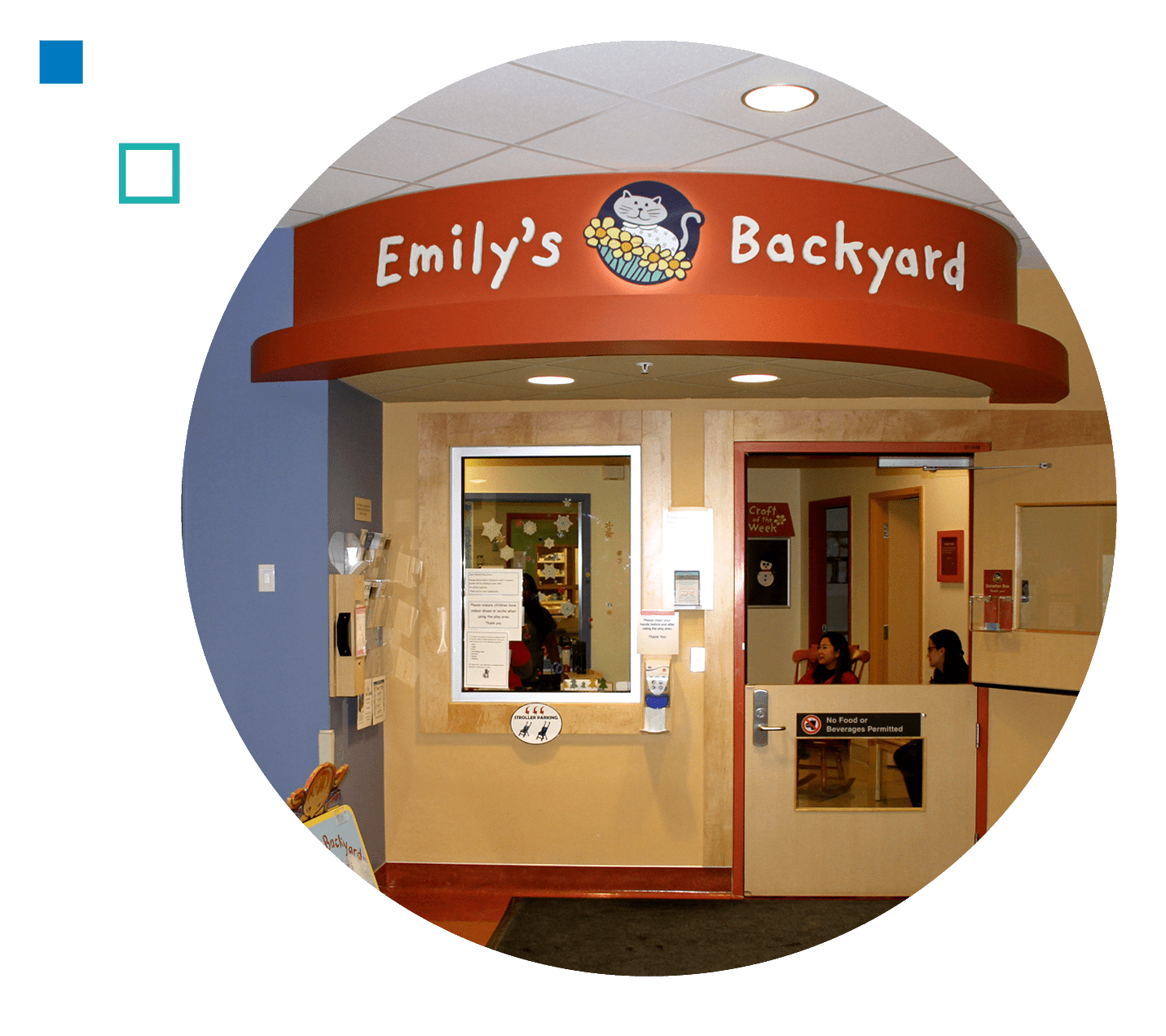
Every year, tens of thousands of families suddenly find themselves in unfamiliar territory when they suddenly need the Alberta Children’s Hospital. Their world is turned upside down as they face medical language, complicated equipment and uncertainty worrying about their child’s health. It’s a time that can be stressful, intimidating and often overwhelming. Thankfully, because of donors like you, the Alberta Children’s Hospital offers special programs and services to support and empower families and lessen the stress that can accompany hospitalization. Highlights of this type of support include the Special Children’s Fund, which provides financial relief for things like food, gas, parking and accommodation; Video Remote Interpretation services to assist the diverse populations cared for by experts at the Alberta Children’s Hospital; and Emily’s Backyard, which provides free child-minding service for patients and siblings.
The Goal: To ensure all families get the wrap-around support they need to help manage a child’s health journey.
| 2020/21 | 2021/22 | 2022/23 | |
|---|---|---|---|
| Approved Special Children’s Fund Requests | 2,003 | 2,694 | 3,430 |
| Emily’s Backyard Visits | Closed due to COVID | Closed due to COVID | 1,444 |
| Video Remote Interpretation (Hours) | 816 | 1,035 | 1,326 |
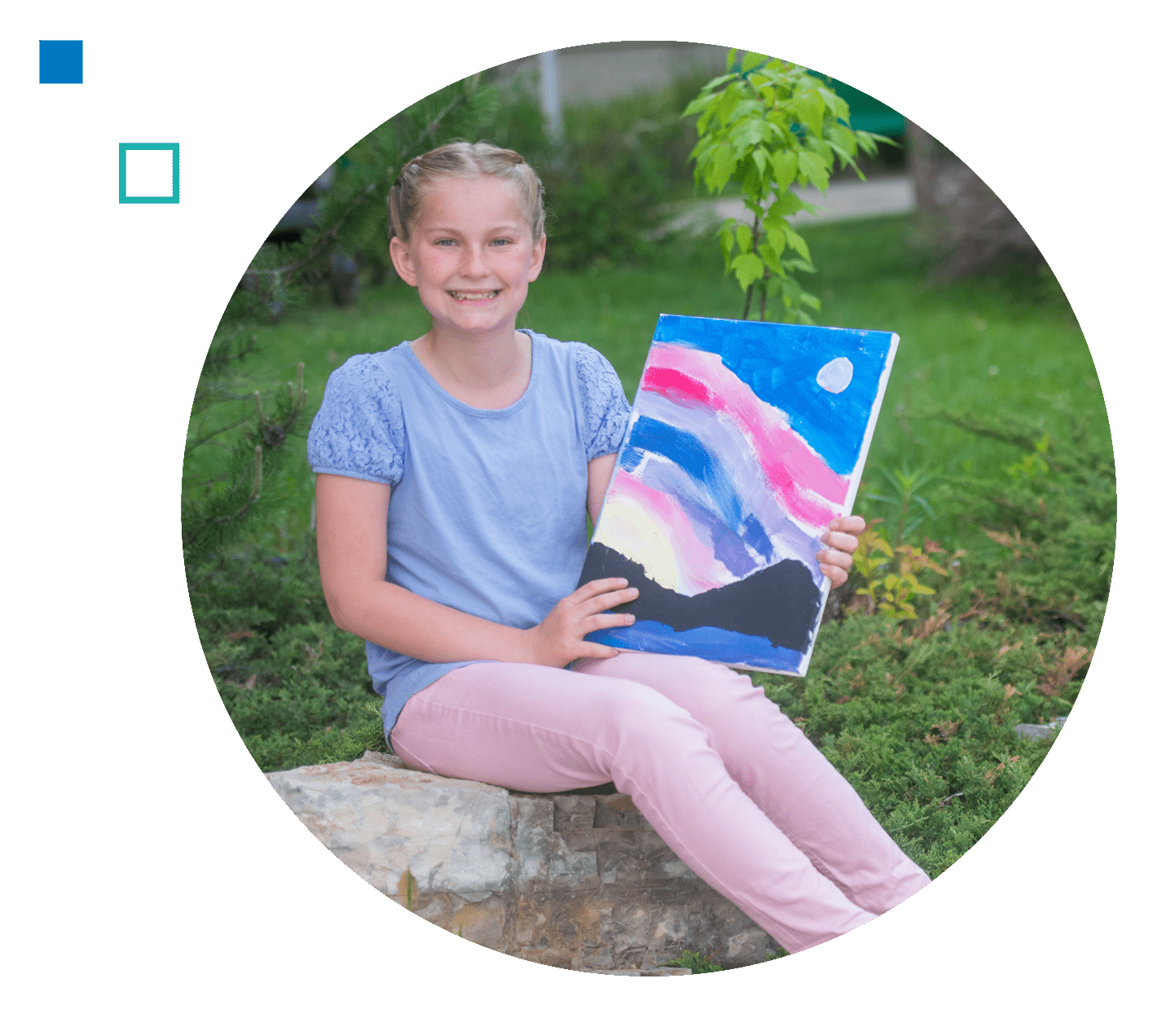
Long hospital stays can weigh heavy on young patients, which is why specialists at the Alberta Children’s Hospital work with kids to find a release valve for the pressures that can build. These include the Beads of Courage program, Music Therapy, Art Therapy, Horticulture Therapy, special events and more – all designed to support physical, mental and emotional healing while providing a fun distraction and social interaction for kids during their time in or at the hospital.
The Goal: To support the physical, mental and emotional healing of all kids and to reduce the anxiety and potential trauma that can be associated with serious sickness and injury.
| 2020/21 | 2021/22 | 2022/23 | |
|---|---|---|---|
| Patient Interactions with Music Therapy | 2,618 | 2,856 | 2,029 |
| Patient Interactions with Art Therapy | 838 | 674 | 462 |
| Patient Interactions with Horticultural Therapy | 338 | 493 | 735 |
| Beads of Courage (New patients enrolled) | 285 | 62 | 88 |
Did You Know? In 2021, your support allowed music therapists to engage with families at Rotary Flames House for the first time through virtual Zoom sessions.
You can read more about how your support of Patient and Family Centred Care changes lives every day at the Alberta Children’s Hospital.
Clinical Child Health Funding
Donations equip hospital experts with the very best skills, treatments and tools they need to provide world-class clinical care. They also fund programs and services that extend the reach of hospital caregivers into the community and across Alberta, southwestern Saskatchewan and southeastern British Columbia. Here are just a few areas of care that are both innovative and essential to the children and families who benefit:
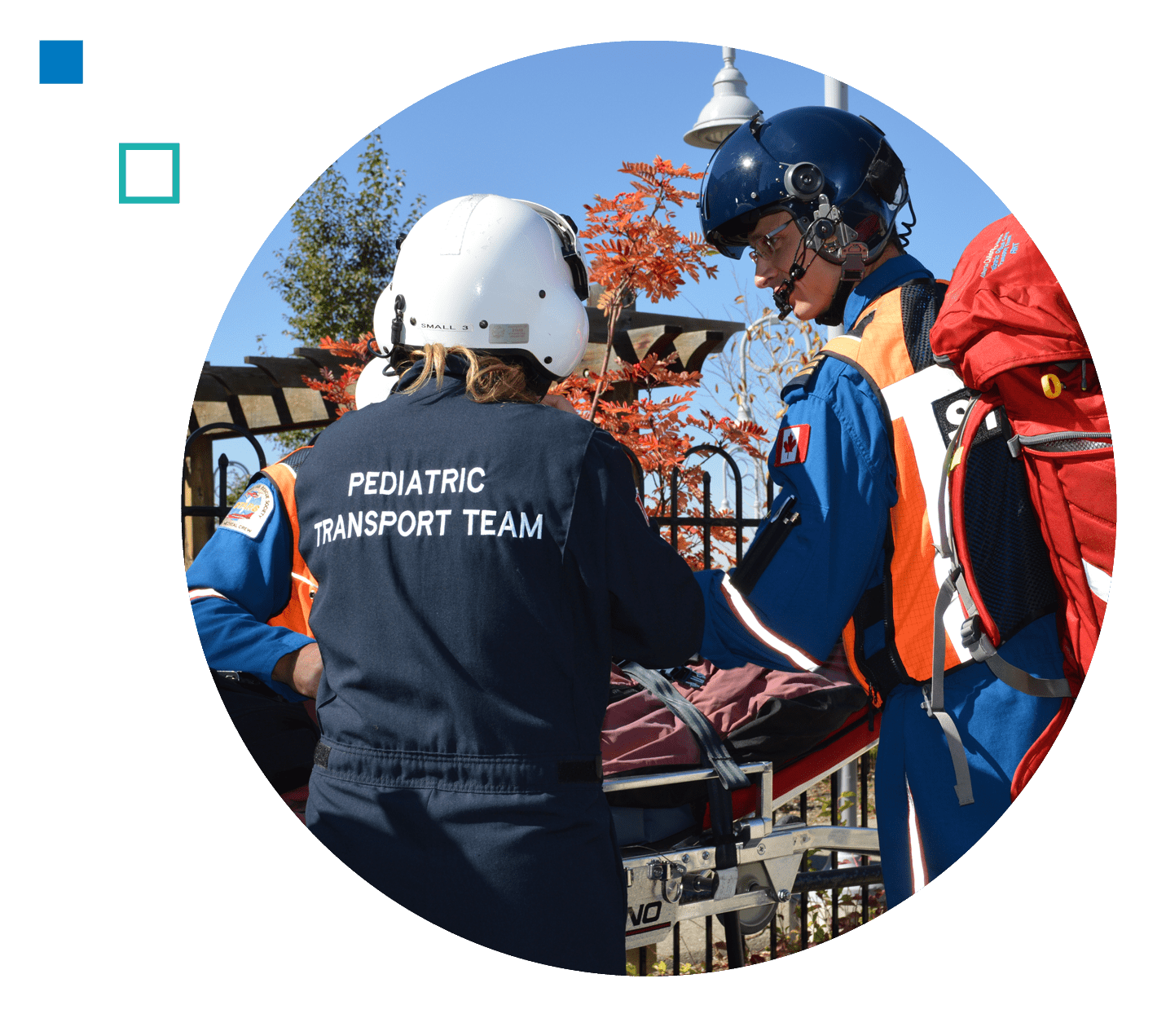
Critical illness or injury are not confined to the Calgary area. Children throughout Alberta, southeastern British Columbia and southwestern Saskatchewan face life-threatening health crises, too. For those living in rural centres without immediate access to expert pediatric care, the Pediatric Critical Care Transport (PCCT) Team from the Alberta Children’s Hospital is their lifeline. Created in 2012 thanks to donations from the community, the Transport team is comprised of critical care physicians, nurses and respiratory therapists who work together like a mobile ICU unit, providing life-saving care during emergency transports by ground or air. In addition to longer distance transports, the team is also called upon to keep severely sick or injured children safe when they need to be transferred to other areas of the hospital.
The Goal: To provide highly specialized care for critically ill or injured pediatric patients requiring emergent or urgent transportation to the Alberta Children’s Hospital, while improving outcomes and reducing mortality, and to support and disseminate pediatric critical care knowledge and education to hospital Emergency Departments, especially in rural communities, by providing in-person and virtual training.
| 2020/21 | 2021/22 | 2022/23 | |
|---|---|---|---|
| Transports | 221 | 234 | 302 |
| Internal Transports | 300 | 300 | 340 |
| Outreach Education (Training Visits to Rural Communities) | 12 | On hold due to COVID | 17 |
Note: The 2022-2023 winter brought with it a surge of respiratory illnesses that saw the number of transport team calls rise. In December of 2022 alone, the team was dispatched, on average, twice a day.
Did You Know? Donors have generously supported the program by helping to purchase new equipment through fundraising events like the Country 105 Caring for Kids Radiothon, and, more recently, helped with staffing support in the form of a Transport Coordinator.
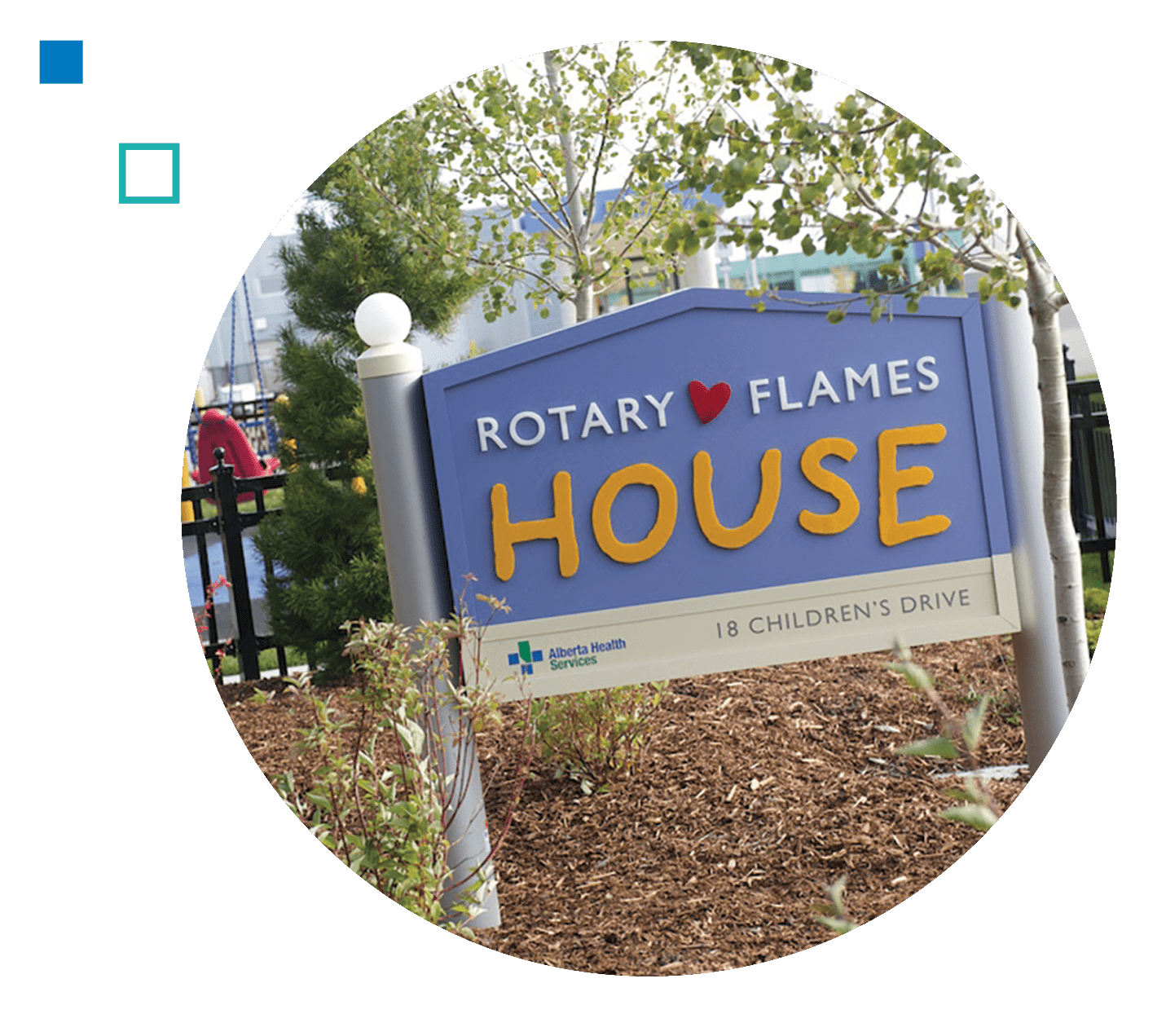
Located next door to the Alberta Children’s Hospital, Rotary Flames House is one of only six pediatric hospices in Canada and the only one in Alberta.
Modeled after a two-storey home, it is designed to be a place of sanctuary for families and children. Care is provided 24 hours a day, seven days a week by a team of trained healthcare professionals committed to ensuring that each child and family’s physical, developmental, emotional, spiritual and cultural needs are met in a sensitive and compassionate manner. Community donations support services that include respite care, end-of-life care, symptom management, transition care, grief support and bereavement care.
The Goal: To be a home away from home for medically complex children, where they can enjoy fun experiences and special programming tailored to them while their parents rest and recharge. It’s also a place of comfort for parents treasuring final moments with a child and where they can gather with others grieving unimaginable losses, all while surrounded by supportive and loving caregivers.
| 2020/21 | 2021/22 | 2022/23 | |
|---|---|---|---|
| Admissions for Respite, End-of-Life or Symptom Care | 255 | 277 | 260 |
| Total Nights of Stay | 1,230 | 1,568 | 1,598 |
| Grief Counselling Sessions | 466 | N/A | 1,258 |
| Parents Supported with Grief Counselling | 207 | 136 | 190 |
| Volunteers | 28 | 39 | 63 |
| Volunteer Hours | 1,039 | 2,400 | 2,670 |
Did You Know? Just like their peers at the hospital, young patients at Rotary Flames House can get their hands dirty in Horticultural Therapy sessions and create music and art thanks to donor funding for Therapeutic Arts.
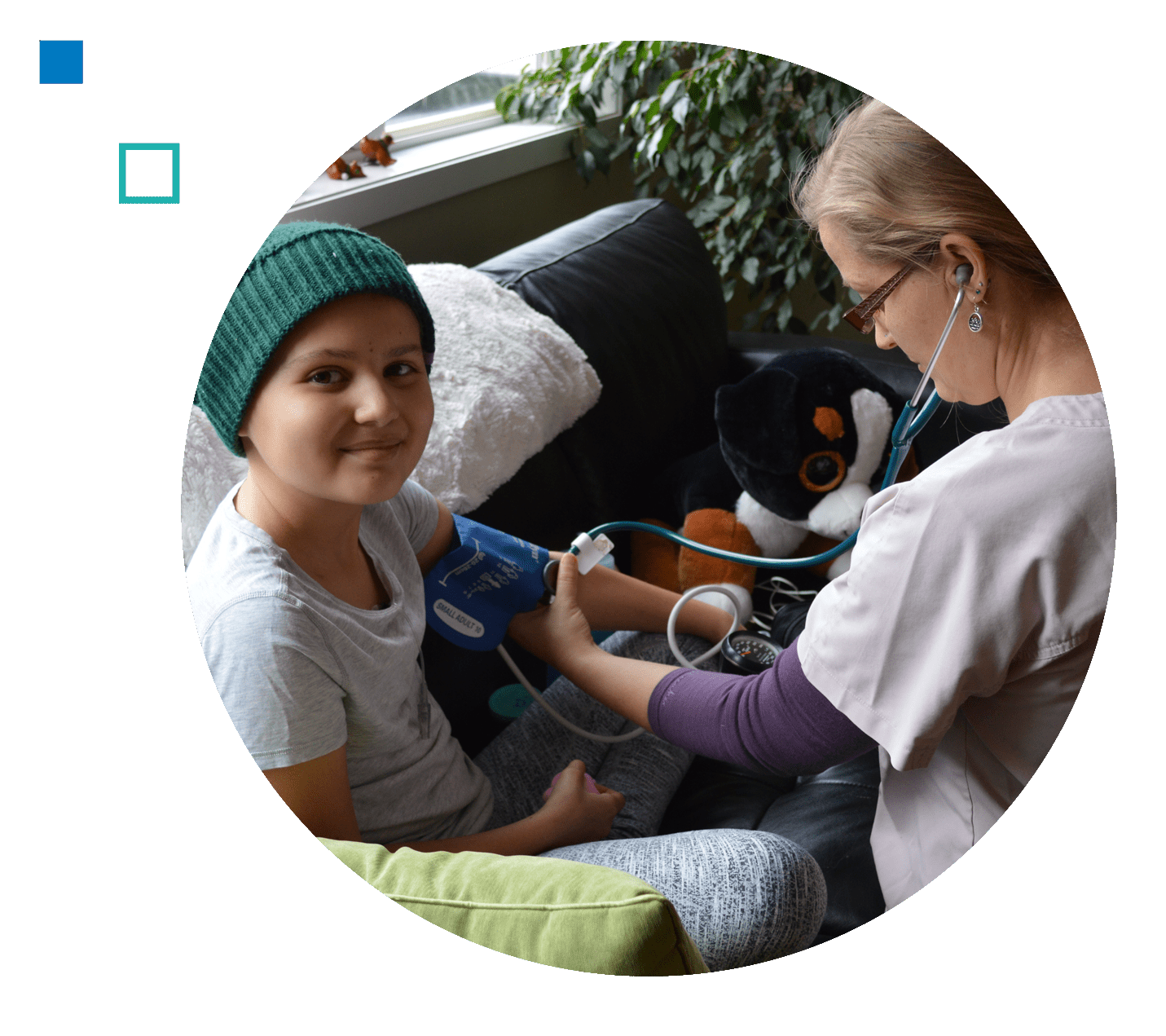
Current therapies for cancer, as well as life-threatening blood and immune disorders, can be incredibly taxing – both physically and mentally – on children and their families. To help ease some of their hardship, community support enables specialists to provide a whole new level of family centred care through Hospital at Home – the first program of its kind for children in Canada. This service sends specially trained nurses to administer certain medications, chemotherapies and supportive therapies to patients in the comfort of their own homes.
The Goal: To reduce patient and family stress, to increase satisfaction and quality of life for patients, and to reduce inpatient stays for patients cared for by the Hospital at Home team.
| 2020/21 | 2021/22 | 2022/23 | |
|---|---|---|---|
| Patients Cared for by Hospital at Home Team | 89 | 79 | 82 |
| Number of Visits | 1,084 | 888 | 1,138 |
| Number of Medicines on Hospital at Home Formulary | 79 | 67 | 67 |
| Hospital Inpatient Days Avoided | 50 | 102 | 52 |
| Hospital Day Treatment Clinic Days Avoided | 1,034 | 786 | 1,086 |
Did You Know? Many patients and families living outside of Calgary are currently unable to benefit from the Hospital at Home program. In late 2022, the Alberta Children’s Hospital and Ronald McDonald House Charities partnered to manage a suite in a nearby apartment building where out-of-town patients and families could receive supportive care and treatment outside of the hospital setting.
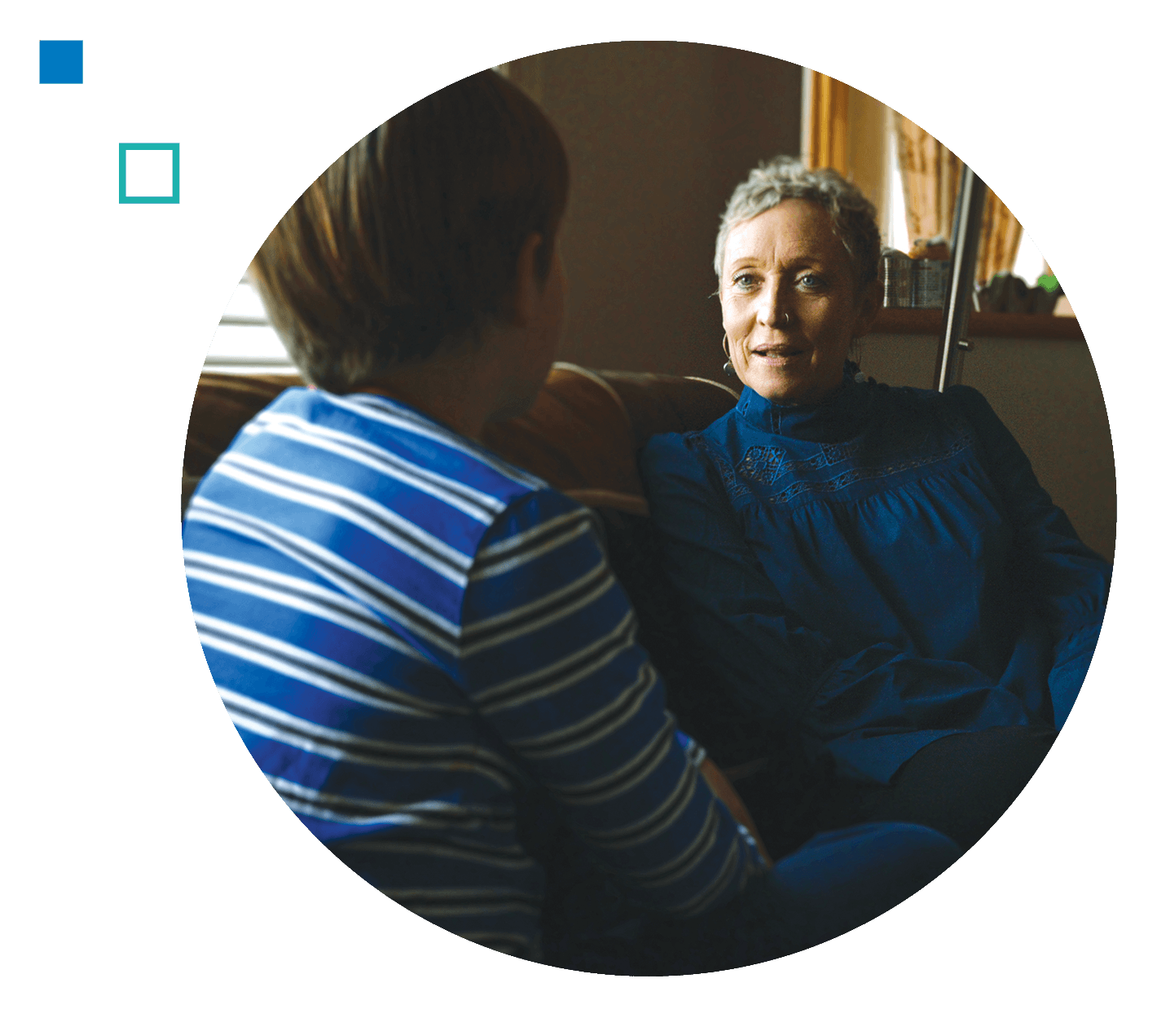
Thanks to generous donors, young people facing mental health challenges in our community are receiving care in their own homes. This innovative model of care ensures children and teens are able to access supports in a way that best works for them and their families. From zoom chats to community coffee shops, to living rooms or school classrooms, Acute at Home clinicians provide comprehensive counselling and connection outside of a hospital setting making it easier for young patients and families to access the care they need when they need it most.
The Goal: To support kids who need help but do not need to be hospitalized, in the comfort of their own homes and communities. Families receive counselling and assessment services from experts who also help parents navigate the healthcare system and work with schools and families to support kids in their learning environments.
| 2020/21 | 2021/22 | 2022/23 | |
|---|---|---|---|
| Total Referrals | 787 | 1,595 | 1,145 |
| Total Patients Seen | 581 | 1,040 | 714 |
| Average Treatment Length (in days) | 47.6 | 28.2 | 50.1 |
| Number of Patient Interactions (in-person, phone or virtual) | 2,853 | 4,785 | 3,523 |
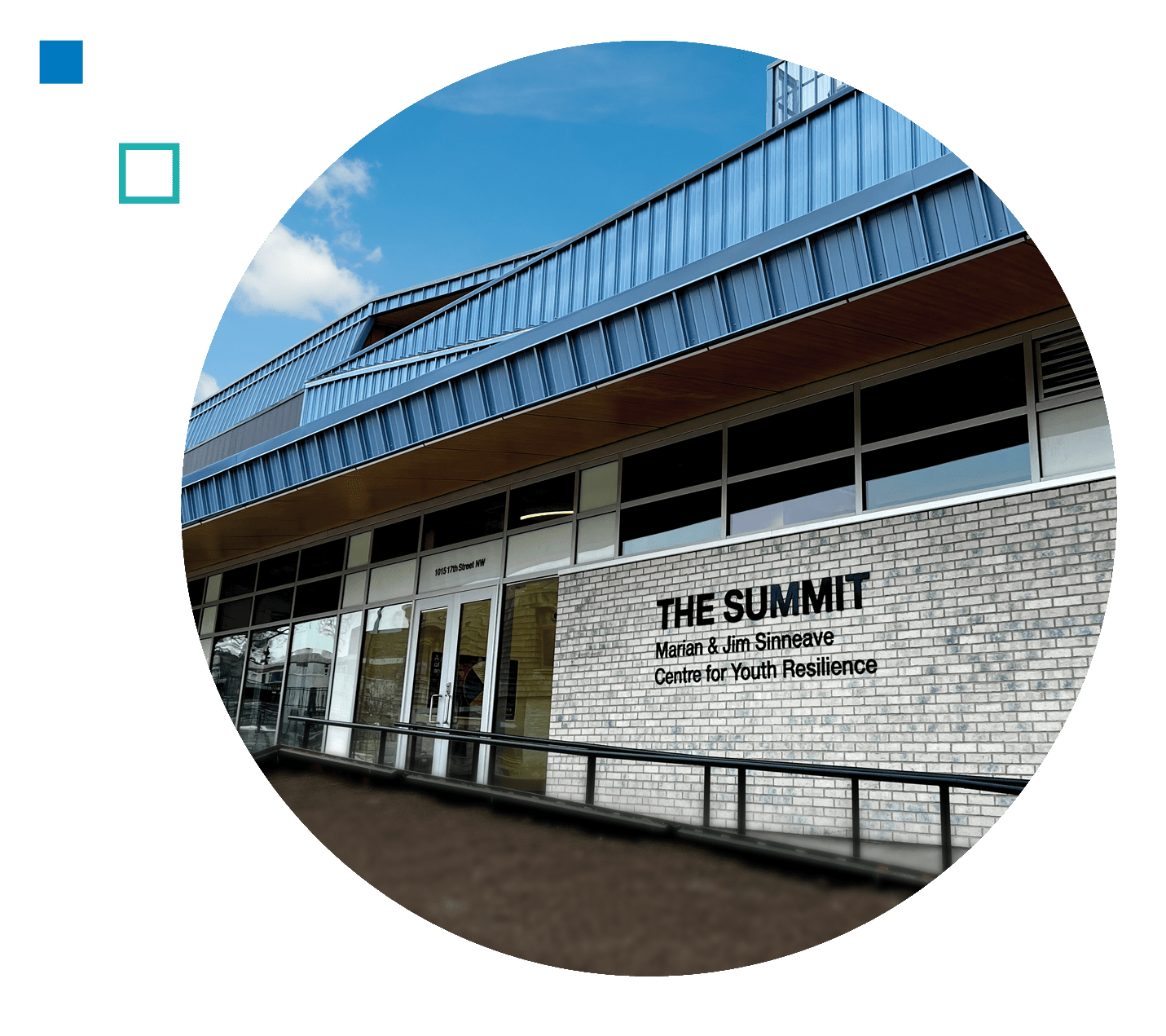
Thanks to a partnership among Alberta Health Services, the University of Calgary, the Alberta Children’s Hospital Foundation and thousands of generous donors, The Summit: Marian & Jim Sinneave Centre for Youth Resilience, Calgary’s first community-based mental health centre for young people, is now open.
The Goal: To augment and integrate with the overall continuum of care currently provided through the Alberta Health Services Child & Adolescent Addiction, Mental Health and Psychiatry Program and other important community agencies, and provides families with greater access to timely assessments, intervention and therapy, and help reduce admissions and lengths of hospital stays for children and teens.
Located at 1015 – 17 Street NW, the Summit provides three new resources for kids, teens, and their families: the Owerko Family Walk In Services, the Tallman Family Treatment Services and the Ptarmigan Day Hospital. These services and other programs provide mental health support for young people up to the age of 18 with the aim of helping them address issues as early as possible. Here are some statistics just since The Summit opened in March of 2023:
Owerko Family Walk In Services
Owerko Family Walk In Services offers no-cost therapy sessions for children, youth and families who need help with specific issues and possible solutions. These services are available from 10 am to 10 pm, seven days per week.
| Age | Patients | Visits |
|---|---|---|
| 12 and Under | 216 | 310 |
| 13 and Over | 404 | 543 |
| Total | 620 | 853 |
Tallman Family Treatment Services
Tallman Family Treatment Services helps young people manage acute escalating symptoms to help prevent or reduce the need for hospitalization. This is a “step-up” program. Patients are referred to this service from community clinics if they are not experiencing improvements in how they are managing.
30-35 families enrolled at one time on average
Ptarmigan Day Hospital
The Ptarmigan Day Hospital is the city’s first pediatric mental health day hospital, helping youth transition from around-the-clock inpatient care to eight to 10 hours of daily intensive therapy in a community setting.
55 patients cared for at the Ptarmigan Day Hospital
Top referral sources:
- Foothills Medical Centre → 24
- Alberta Children’s Hospital → 13
- South Health Campus → 7
For more information about The Summit, it’s programs and services, visit buildthemup.ca and read about the first 100 days at The Summit.
Education and Training
Support from the community enables education and training opportunities for hospital staff, families, and other stakeholders in the community, including but not limited to:
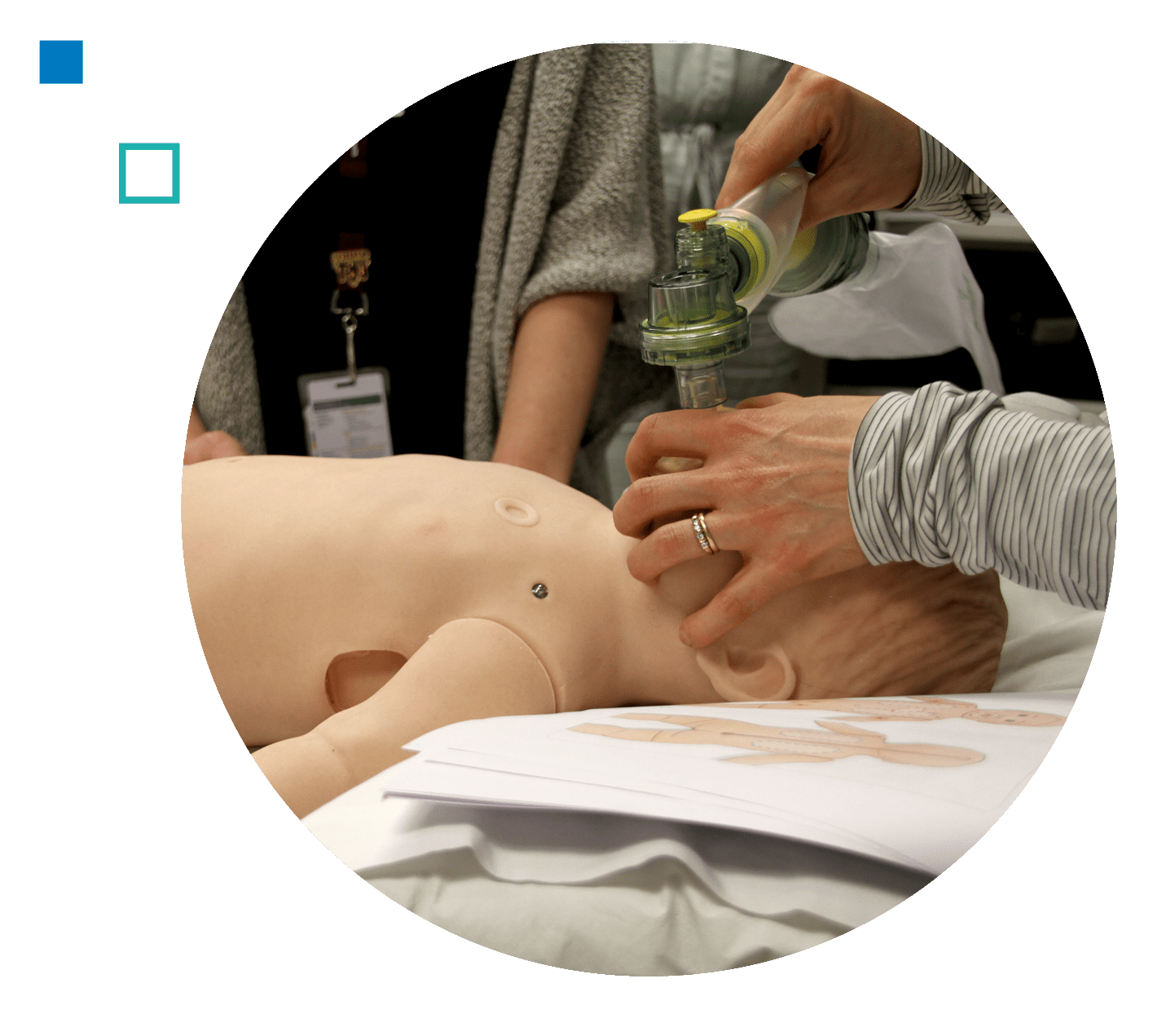
In 2005, our generous community helped establish the KidSIM Pediatric Simulation program at the Alberta Children’s Hospital, an invaluable resource for medical experts, families, and schools. It has become one of the premiere simulation programs in the world with impacts realized on a local, provincial, national, and international scale and crosses the areas of education, patient safety, clinical research and patient and family centred care. Through KidSIM, caregivers practice real-time, emergency scenarios on high-fidelity, life-like mannequins to keep their skills as sharp as possible.
The Goal: To ensure hospital experts and families are prepared for the wide range of life-saving challenges they may face at any given moment on any given day.
| 2020/21 | 2021/22 | 2022/23 | |
|---|---|---|---|
| Simulation Training Sessions | 475 | 391 | 534 |
| Simulation Training Hours | 1,423 | 1,736 | 2,224 |
| Learners | 3,248 | 2,680 | 3,851 |
| Families Trained | 56 | 74 | 90 |
| Mobile Education Days | 10 | 5 | 20 |
| Schools/Daycares Visited | 3 | 4 | 11 |
| School/Daycare Staff Trained | 104 | 85 | 156 |
| Publications | 30 | 16 | 12 |
| Publication Citations | N/A | 3,775 | 3,941 |
| Grants Secured | 6 | 6 | 6 |
Meet Ely: Ely developed medical needs that her parents had to learn in a hurry. Thankfully, the donor-funded KidSIM Pediatric Simulation program was there for them. Read more
 Meet Ely: Ely developed medical needs that her parents had to learn in a hurry. Thankfully, the donor-funded KidSIM Pediatric Simulation program was there for them.
Thanks to a pilot project funded by the community, local specialists have become national leaders in providing mental health literacy programs in junior high and high schools. The program was so well received that Alberta Health Services has taken over funding and expanded it to schools across the province. Donations have also enabled the team to recently develop materials tailored for elementary schools so younger students can also benefit. The work on this project is just beginning and will be developed jointly with education partners, parents, youth and mental health professionals.
The Goal: To help professionals who work with children – teachers, doctors and frontline care providers – to better understand and address mental health issues in school and in the community, ultimately leading to more timely and appropriate intervention, broad-based prevention and reduced social stigma.
Elementary Mental Health Literacy Project 2023
- Number of School Divisions Across Alberta → 12
- School-Aged Participants (Grades 4-6) → 3,500
Did You Know? During the pandemic, community support enabled these mental health literacy experts to create new tools, including a series of age-appropriate animated videos on key mental health literacy concepts that were distributed to school districts across the province and posted on YouTube. School districts in British Columbia are now also using them in their classrooms.
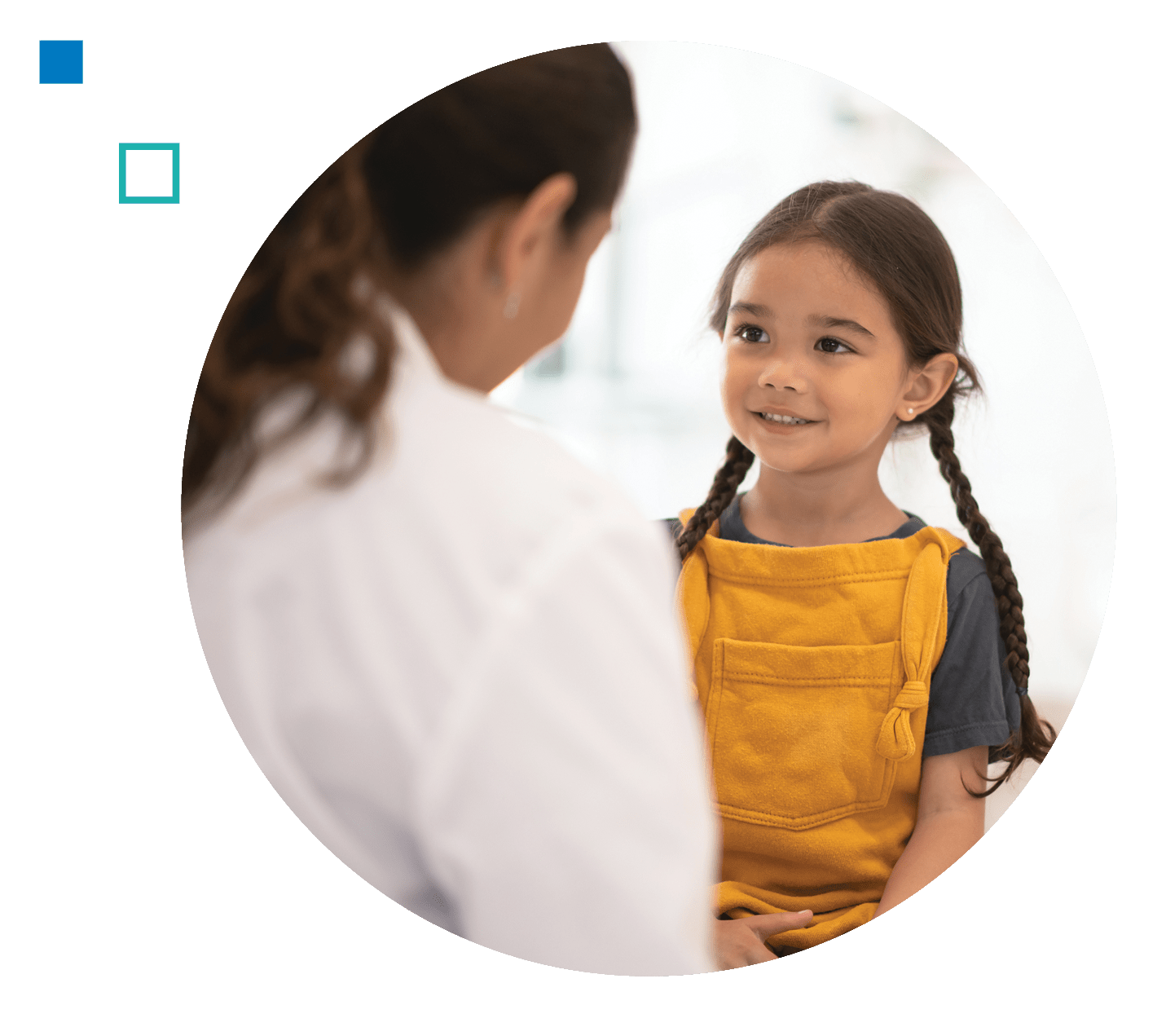
With a nation-wide shortage of pediatric psychiatrists, this program equips doctors and front-line care providers with the tools they need to help young people and families struggling with mental health issues. The Canadian Research and Education for the Advancement of Child Health program (CanREACH) is a six-month fellowship that trains family physicians and front-line specialists to identify and treat mental health conditions in kids.
The Goal: To better equip care providers with the knowledge needed to get families the right kind of care as quickly as possible, minimize trips to emergency departments and reduce the need for specialist referrals.
| 2020/21 | 2021/22 | 2022/23 | |
|---|---|---|---|
| Primary Care Providers Trained | 130 | 166 | 177 |
| Group Training Sessions | 4 | 4 | 4 |
Did You Know? Since 2019, more than 700 primary care providers across Alberta have been CanREACH trained. With a very conservative estimate of an average physician caseload in Alberta being 1000 patients, 23% of which are youth, this equates to ~160,000 Alberta youth gaining access to improved mental health care in their communities.
Research
 Thanks to generous community support, a new generation of scientists is fueling the research engine at the University of Calgary and the Alberta Children’s Hospital. The Alberta Children’s Hospital Research Institute (ACHRI) is composed of hundreds of researchers and trainees who are tackling a range of child health problems with far-reaching impacts designed to refine treatments, uncover new cures, and ultimately improve the quality of life for kids, here at home and all over the world.
The Goal: To generate new knowledge in child health and translate these basic and clinical research discoveries into better health care practices and policies which will help provide a healthier future for children and their families.
| 2020/21 | 2021/22 | 2022/23 | |
|---|---|---|---|
| ACHRI Members | 331 | 349 | 372 |
| Publications | 1,451 | 1,940 | 1,753 |
| External Funding Secured | $58M | $84M | $76.6M |
| Total ACHRI Trainees | 400 | 508 | 543 |
| Funded by ACHF Awards | 64 | 64 | 59 |
| Support for Training & Education | $850,000 | $850,000 | $1.48M |
| Support for New Faculty Start-ups, Matching, and Bridging | $1.63M | $807,000 | $2.1M |
| Clinical Trials | 39 | 52 | 31 |
Did You Know? More than 40 years of community support has helped the University of Calgary recruit and retain one of the largest and most productive concentrations of child health scientists in the country. That critical mass – and the team’s nationally-recognized success – inspired the University of Calgary to become the first in Canada to declare child health and wellness a campus-wide priority. It also helped launch the One Child Every Child initiative, which brings together Indigenous partners, Canada’s child health research institutes, equity-deserving communities, local and national stakeholders as well as global collaborators. Led by the University of Calgary, institutional research partners include the University of Lethbridge, Athabasca University and the University of Alberta.
In The Spotlight:
- UCalgary researcher to lead global study to improve diagnosis and treatment for children infected by COVID-19: UCalgary
- University of Calgary study sheds light on mystery of long COVID in kids: CBC
- Local excellence leads to national guidelines for paediatric pain management: UCalgary
- Babies born to depressed moms show altered brain activity: UCalgary
- UCalgary researchers discover link between prenatal stress and altered brain development: UCalgary
- New discovery helps predict seizures: ACHF
Sign up for our newsletter